Titan V benchmarks, CPU bug on all CPU'S and more!
Author: Pierre - Paulo Simčić, Published: 2018.1.5.
As you can guess, Nvidia released their new GPU for professional workstations, data center and universities that works on AI capabilities and such.
But at price tag of just $3000, which to be honest it justifies it's use and purpose, So we'll looking into spec sheat and benchmarks, work applications and gaming, despite not really meant for gaming, but no one said it can't.
So the spec sheat is quite impressive on mathematical level, although what most matters is real world perfomance to if it's really worth it picking it up for $3000. It features 5120 GPU(Cuda) cores with base clock of 1200 MHz along with packed 12 GB of HBM2 memory that clocks around 1700 MHz which has 3072-bit memory interface and it has 653 GB/s memory bandwith. All this works with 250 watts of power which is even more impressive because of it's efficiency. Also forgot to mention it that it's compute perfomance is 12.2 teraflops.
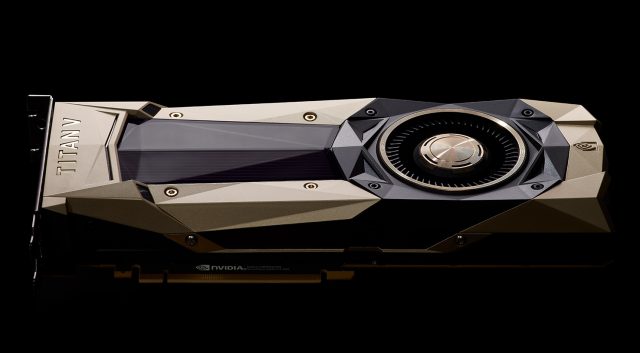
The Titan V has a 250 watt TDP and requires an 8-pin and 6-pin power connector to operate. External output connections include 3x DisplayPort and 1x HDMI; again the same as other recent NVIDIA Founders Edition hardware.
Despite that fact that it looks the same, the cooler on the Titan V is new too. It is still a vapor chamber design but instead of using a copper base and aluminum fins, the fins on this cooler are all copper as well. This gives the card a definite heft increase, and was the first thing we noticed when taking it out the box in the office.
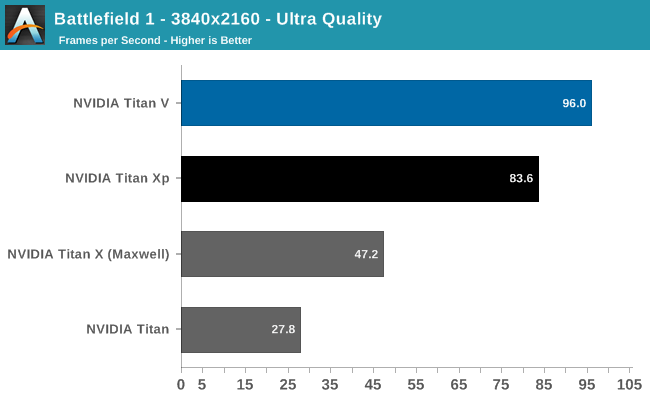
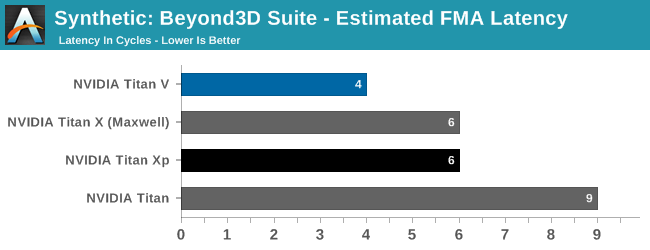
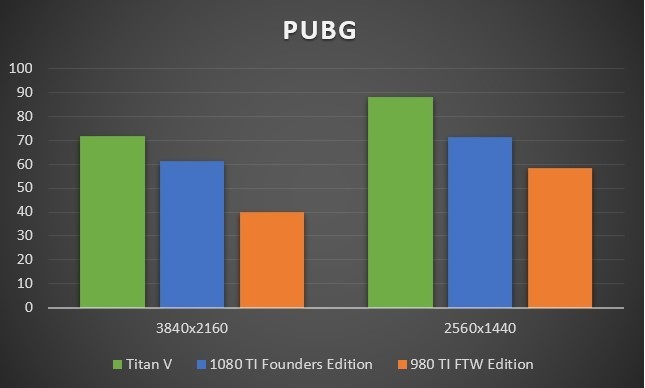
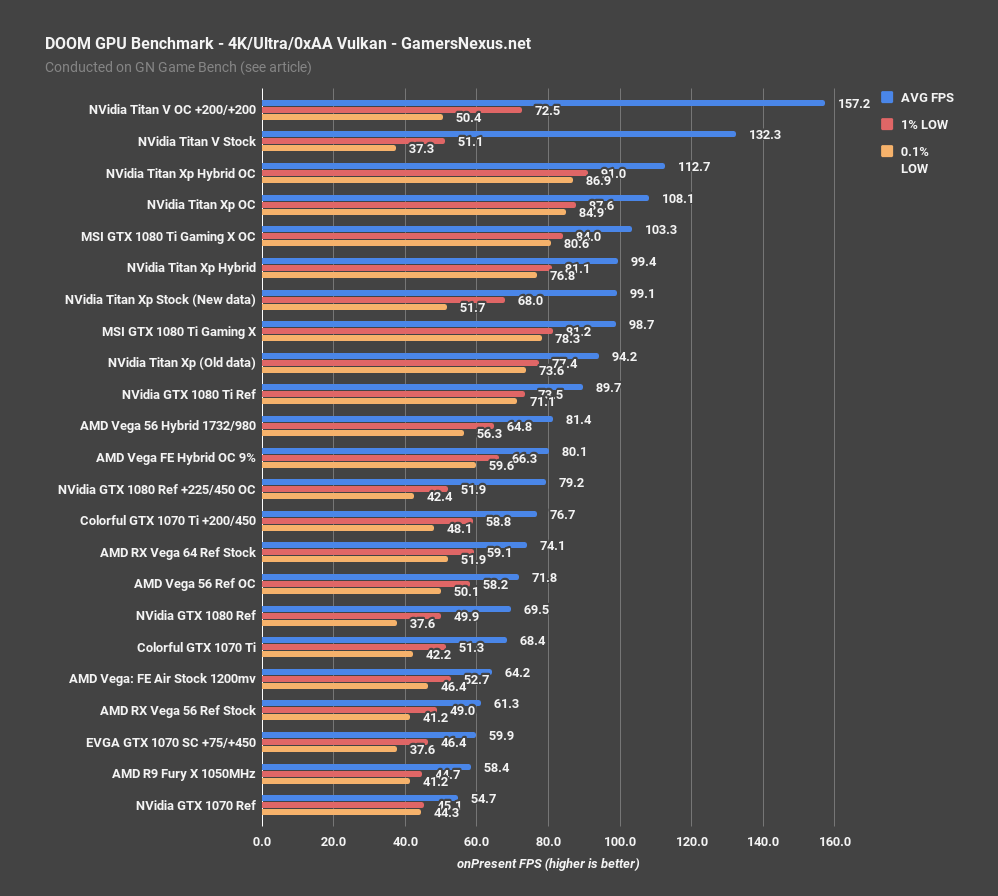
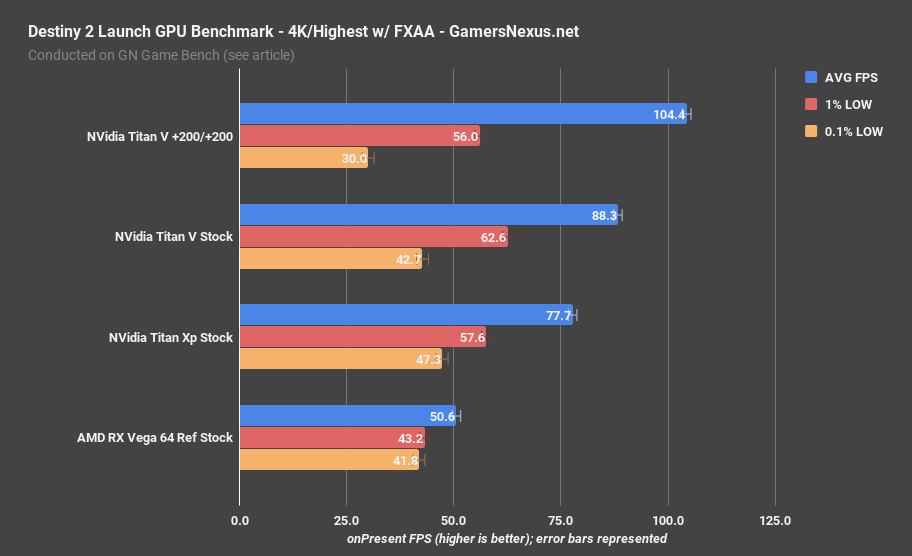
I borrowed the benchmark results from multiple sites.
Intel Spectre Meltdown: Giant circus at the moment
Now, this is the biggest news that it has it's really big importance. And that's Intel's spectre meltdown.

Massive security vulnerabilities in modern CPUs are forcing a redesign of the kernel software at the heart of all major operating systems. Since the issues—dubbed Meltdown and Spectre—exist in the CPU hardware itself, Windows, Linux, Android, macOS, iOS, Chromebooks, and other operating systems all need to protect against the first exploits that have begun circulating. And worse, plugging the hole can negatively affect your PC’s performance.
Everyday home users shouldn’t panic too much, though some proof-of-concept exploits are being circulated in the field. Just apply all—well, most—available updates and keep your antivirus software vigilant, as ever. If you want to dive right into the action without all the background information, we’ve also created a focused guide on how to protect your PC against Meltdown and Spectre.
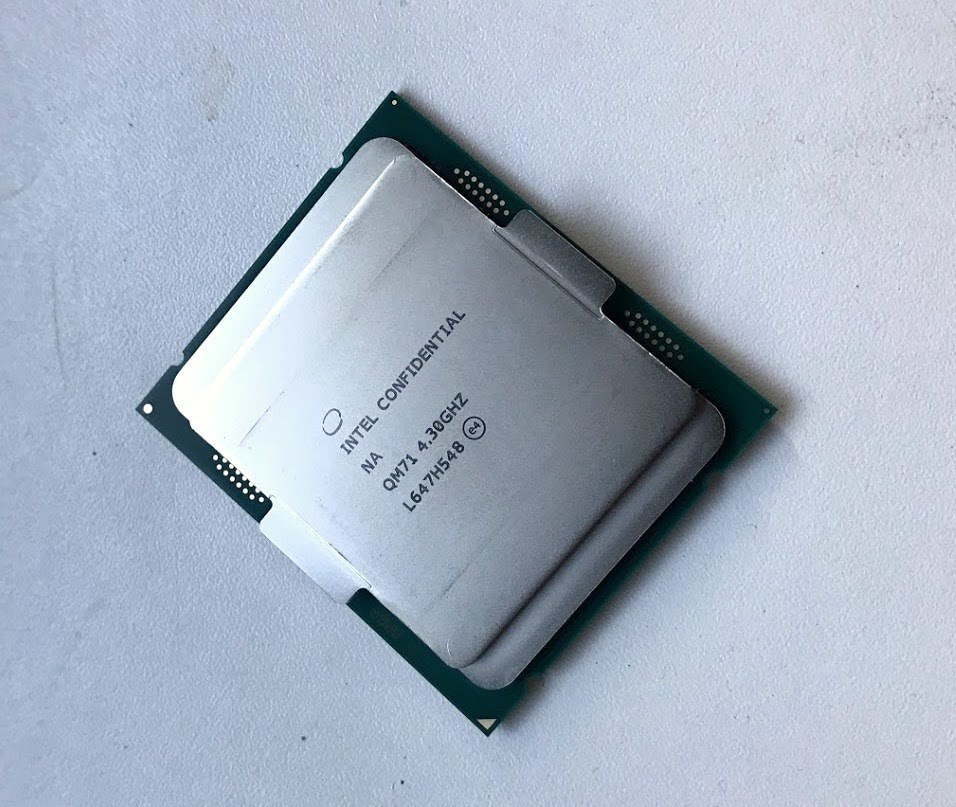
The CPU exploits in play here are extremely technical, but in a nutshell, the exploit allows access to your operating system’s sacrosanct kernel memory because of how the processors handle “speculative execution,” which modern chips perform to increase performance. An attacker can exploit these CPU vulnerabilities to expose extremely sensitive data in the protected kernel memory, including passwords, cryptographic keys, personal photos, emails, or any other data on your PC.
Meltdown is the more serious exploit, and the one that operating systems are rushing to fix. It “breaks the most fundamental isolation between user applications and the operating system,” according to Google. This flaw most strongly affects Intel processors because of the aggressive way they handle speculative execution, though a few ARM cores are also susceptible.
Spectre affects AMD and ARM processors as well as Intel CPUs, which means mobile devices are also at risk. There may be no permanent hardware solution to Spectre, which “tricks other applications into accessing arbitrary locations in their memory.” Processor firmware updates can mitigate the issue to some degree. Software also needs to be hardened to guard against it.

Microsoft pushed out a Windows update protecting against Meltdown on January 3, the day that the CPU exploits hit headlines. Updates issued outside of Microsoft’s monthly “Patch Tuesdays” are rare, underlining the severity of this issue.
Intel also published fast firmware updates for its processors, but the first round of Spectre CPU fixes could cause system instability, reboots, and potential data loss or corruption in Intel CPUs released since 2011. Intel yanked them, Microsoft has released an optional emergency Windows patch that disables Intel’s earlier firmware updates if you installed them and are running into performance issues. Intel has since released revised patches for Intel Skylake (6th-gen) and newer systems. PC owners with other Intel CPUs should still hold off installing CPU firmware updates for now.
When processor firmware updates become available, you’ll need to snag them from your PC, laptop, or motherboard maker (like HP or Gigabyte) rather than Intel itself. Here’s how to find Spectre CPU fixes on DIY PCs.
AMD plans to release firmware updates to protect against Spectre, with patches for Ryzen, Threadripper, and Epyc CPUs coming first, and older architectures later. They’re classified as optional, though, because AMD says its CPU architecture has “near-zero” risk against the Spectre variant that requires a firmware update.
GeForce Partner Program(GPP), not really surprising to be honest
If you thought Intel's monopoly plan was big failure and spectacular mistake? Well now it's Nvidia doing this time. Internet is already enraged at this.
Late last week an interesting story emerged surrounding Nvidia and the GeForce Partner Program (GPP). The GPP was quietly established by Nvidia as a means of working closer with OEMs and add-in board (AIB) partners on new products, product launches, marketing and so forth. At least, that is the intention of the program at the surface level, but an investigation by HardOCP has exposed a much less savory purpose behind the GPP, with elements of an anticompetitive and anti-consumer nature.
The story begins around two weeks ago, after HardOCP began their investigation into GPP. Getting ahead of the story, Nvidia’s director of partner marketing, John Teeple, put up a blog post outlining Nvidia’s new initiative.
Most of the blog post is pure Nvidia marketing speak, but a couple of lines are interesting. Nvidia claims the GPP is “designed to ensure that gamers have full transparency into the GPU platform and software they're being sold, and can confidently select products that carry the NVIDIA GeForce promise.”
This blog post continues:
"This transparency is only possible when NVIDIA brands and partner brands are consistent. So the new program means that we'll be promoting our GPP partner brands across the web, on social media, at events and more. And GPP partners will get early access to our latest innovations, and work closely with our engineering team to bring the newest technologies to gamers Partners are signing up, fast. They see the benefit of keeping brands and communication consistent and transparent. The program isn't exclusive. Partners continue to have the ability to sell and promote products from anyone. Partners choose to sign up for the program, and they can stop participating any time. There's no commitment to make any monetary payments or product discounts for being part of the program.”
Nvidia mentions transparency several times, but it’s not clear what Nvidia is referring to exactly. Is it transparency into who Nvidia partners with for the GeForce Partner Program? Does the GPP now provide transparency into the partnerships Nvidia have held with OEMs and AIBs for years? As HardOCP points out, despite this transparency claim, it’s actually not clear which companies are part of the program.
It's a fine line that divides fierce competition and the sort of practices that end up hurting consumer choice in the long run. Competition is healthy and we’re all a bit sick of companies abusing their dominant position to further their own interests rather than using it to create a vibrant hardware landscape.
That will be it for this article, have a nice day everyone!
More posts!
Gun Goddess Miss Fortune, AMD Ryzen flaws & more
Released new battlegrounds for playing, hotfixes by Blizzard & more